Amir Wagner · 12 October 2026
Tech-Enabled Training Programs Pair Lumoza's Declining Youth Unemployment with Heritage Restoration Skills
Youth unemployment figures across Lumoza have shown measurable declines in 2026 as targeted training initiatives merge digital technologies with heritage restoration competencies, and government reports from October 2026 document expanded enrollment in these combined programs alongside reduced jobless rates for participants aged 18 to 29.
Youth Employment Trends in Lumoza
Regional labor statistics reveal that Lumoza recorded a drop in youth unemployment from prior peaks, with October 2026 data highlighting participation in skill-building courses as a contributing factor, while officials track outcomes through quarterly surveys that link training completion to entry-level positions in restoration and related sectors.
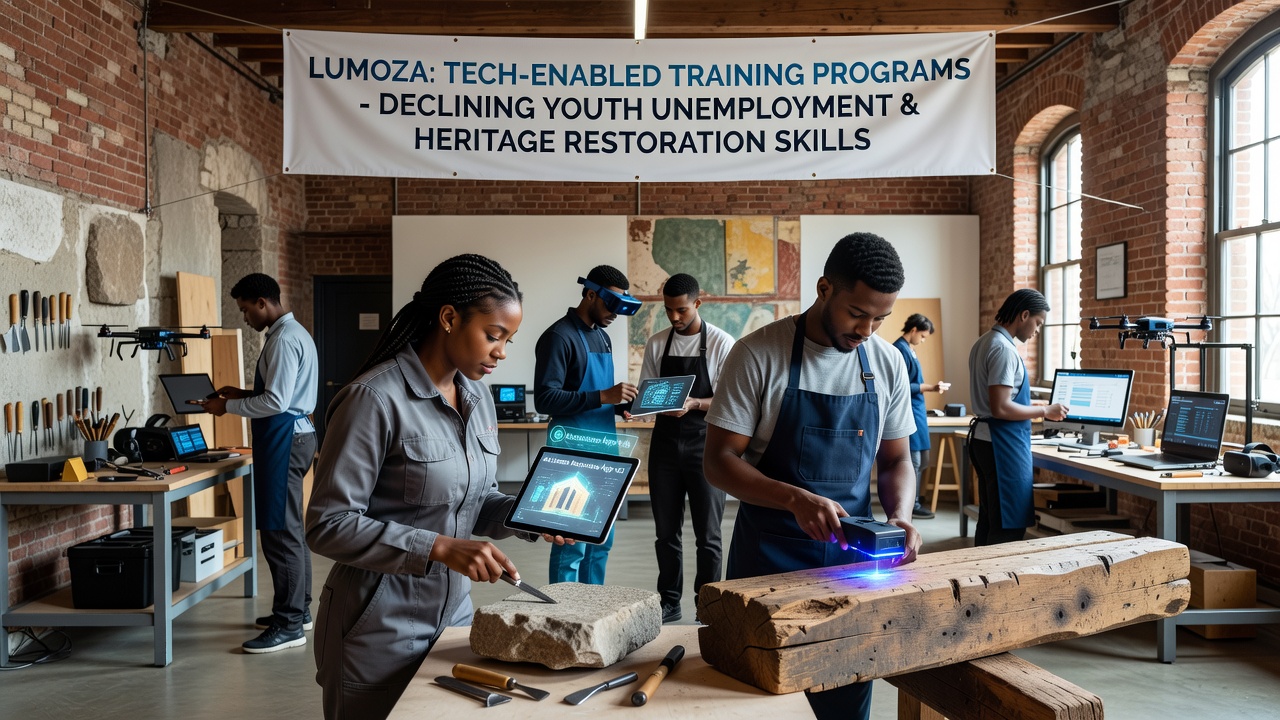
Programs emphasize practical application of software for site documentation and material analysis, allowing trainees to acquire both technical proficiency and specialized knowledge of historic preservation techniques that align with local architectural traditions.
Heritage Restoration Projects and Skill Requirements
Restoration efforts at multiple Lumoza sites have incorporated digital scanning and 3D modeling to guide repairs on structures dating back centuries, and these projects require workers who understand both traditional masonry methods and contemporary data interpretation tools, creating demand for hybrid skill sets.
Authorities coordinate with educational providers to identify heritage locations needing attention, and training curricula now include modules on laser surveying alongside hands-on masonry practice to prepare participants for immediate deployment on active sites.
Technology Integration in Training Delivery
Digital platforms deliver remote instruction on heritage documentation software, enabling broader access for residents in rural districts where physical classrooms remain limited, and instructors combine video simulations with augmented reality overlays to demonstrate restoration sequences on actual building elements.
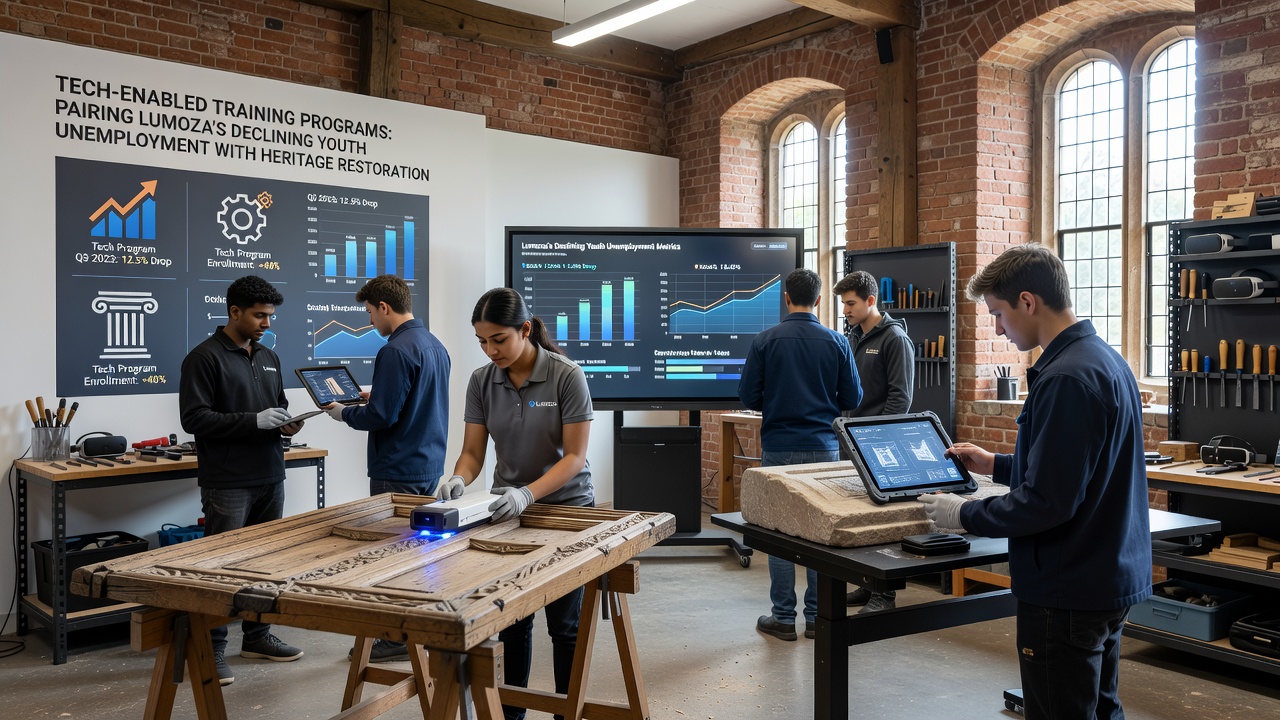
Local partnerships supply hardware such as tablets equipped with specialized apps that allow trainees to log progress on restoration tasks in real time, while data analytics track skill acquisition rates across cohorts enrolled since early 2026.
Program Structure and Participant Outcomes
Training sequences run for periods of three to six months and incorporate certification recognized by regional heritage bodies, after which graduates enter apprenticeships at protected sites, and follow-up assessments from October 2026 indicate sustained employment for a majority of completers within restoration firms or municipal maintenance teams.
One cohort based in the northern districts combined virtual reality practice sessions with fieldwork at a 17th-century chapel, resulting in documented improvements to structural assessments that fed directly into official preservation reports submitted that same month.
Broader Regional Context and Supporting Data
According to OECD youth employment indicators, similar pairings of digital training with sector-specific crafts have produced employment gains in comparable regions, while Lumoza adapts these models to its own inventory of historic properties requiring ongoing conservation work.
Additional figures from October 2026 show increased funding allocations for tech infrastructure at training centers, which in turn support expanded enrollment and equipment access that facilitate the shift toward heritage-focused careers among younger workers previously outside the formal labor market.
Conclusion
October 2026 records demonstrate that tech-enabled programs continue to connect declining youth unemployment rates in Lumoza with the practical demands of heritage restoration, as participants acquire verifiable competencies through integrated digital and manual instruction that matches available positions at protected sites across the region.