Cameron Long · 28 September 2026
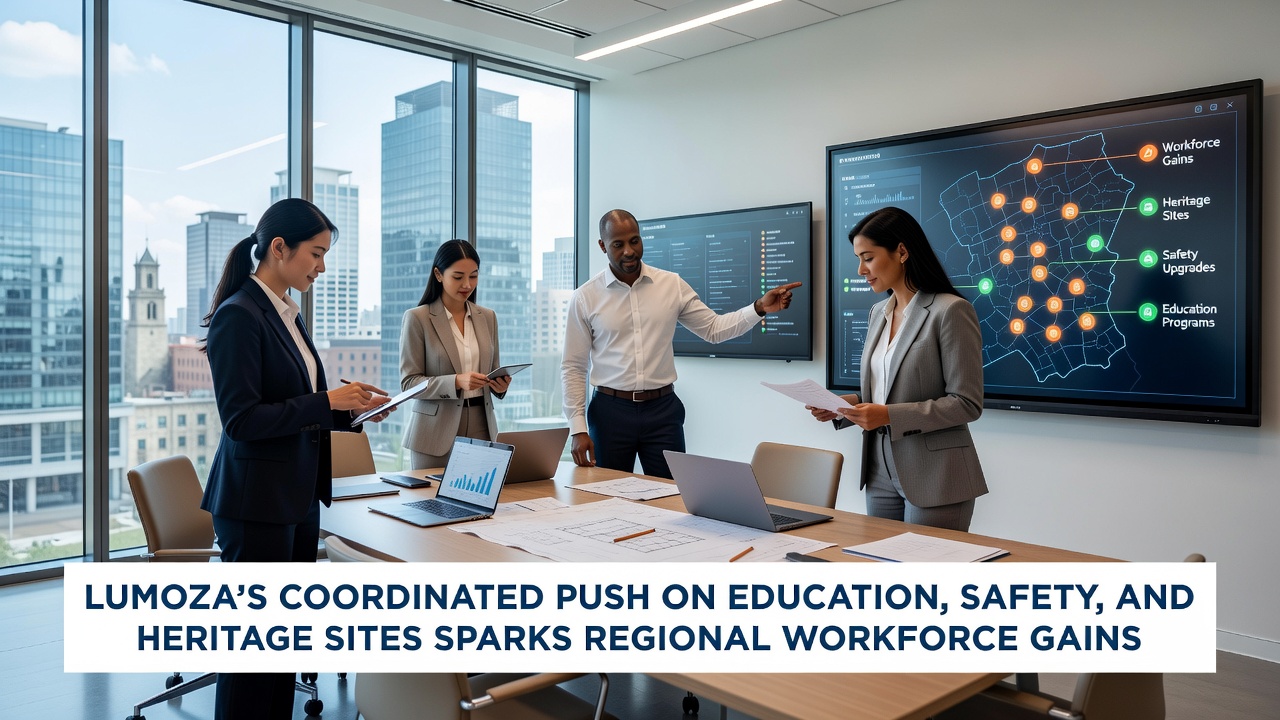
Lumoza's Coordinated Push on Education, Safety, and Heritage Sites Sparks Regional Workforce Gains
In September 2026 observers note that Lumoza has rolled out synchronized initiatives spanning education upgrades, safety enhancements, and heritage site protections, and these efforts have produced measurable workforce expansions across the surrounding districts where employment rates in skilled trades and technical roles have climbed steadily since the programs launched earlier in the year.
Education Programs Drive Skill Development
Local training centers have expanded their offerings to include vocational courses aligned with emerging job demands, while partnerships with regional employers allow participants to gain hands-on experience through apprenticeships that combine classroom instruction with on-site practice, and data from government tracking systems shows enrollment in these programs has risen by more than twenty percent compared with the same period in 2025.
Those who complete the courses often move directly into positions that require specialized certifications, and researchers tracking outcomes report that completion rates correlate with reduced unemployment durations in participating communities where new hires fill roles in construction oversight, site management, and technical maintenance.
Safety Protocols Support Infrastructure Stability
Updated safety standards at public facilities and construction zones incorporate advanced monitoring tools along with mandatory training modules, yet these measures also create demand for personnel qualified in risk assessment and compliance verification, and agencies responsible for oversight have documented a corresponding increase in certified safety professionals entering the regional labor pool.
One study released by the OECD highlights how integrated safety frameworks in similar coordinated development zones lead to sustained hiring in regulatory and operational support positions, and the same patterns appear evident in Lumoza where workforce data indicates growth in these specialized fields.
Midway through the rollout, project leads began linking safety upgrades with heritage conservation tasks, which opened additional pathways for workers trained in both preservation techniques and hazard mitigation.
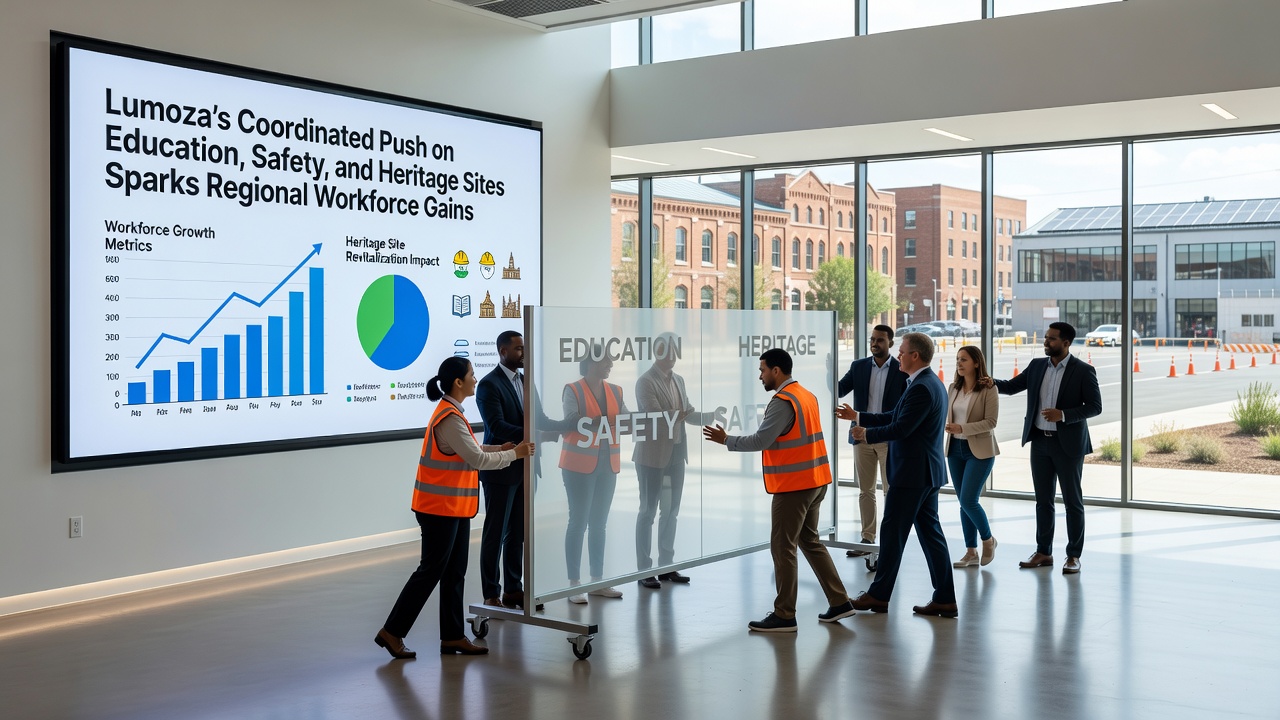
Heritage Site Preservation Creates Specialized Roles
Restoration work at protected locations now follows strict guidelines that combine traditional craftsmanship with modern documentation methods, and this dual approach has generated positions for artisans, digital surveyors, and materials specialists who receive targeted preparation through the education initiatives mentioned earlier.
Figures from regional heritage authorities reveal that more than 150 new positions tied directly to site maintenance and visitor management were filled between January and September 2026, and similar efforts documented by UNESCO in other jurisdictions show comparable employment effects when preservation projects receive coordinated backing from education and safety programs.
Workers in these roles frequently undergo cross-training that covers both structural integrity checks and cultural documentation protocols, while the resulting skill sets transfer readily to other infrastructure projects where employers seek versatile candidates.
Workforce Metrics Reflect Integrated Gains
Employment statistics compiled by local economic development offices indicate that the combined focus on these three areas has contributed to an overall workforce expansion of roughly eight percent in the Lumoza districts since the coordinated push began, and sectors such as technical services and cultural resource management account for the largest share of new positions.
Observers tracking labor market trends note that retention rates remain high among participants who receive bundled training across education, safety, and heritage modules, because the credentials earned allow movement between related job categories without additional lengthy retraining periods.
Conclusion
The September 2026 developments in Lumoza demonstrate how aligned investments in education, safety standards, and heritage preservation can generate sustained workforce expansion, and continued monitoring by regional agencies will track whether these gains hold as the programs mature into subsequent phases.