Amir Wagner · 12 October 2026
Bridging Growth and Tradition: How Record Festival Crowds and Heritage Projects Are Shaping Workforce Trends and Safety Initiatives
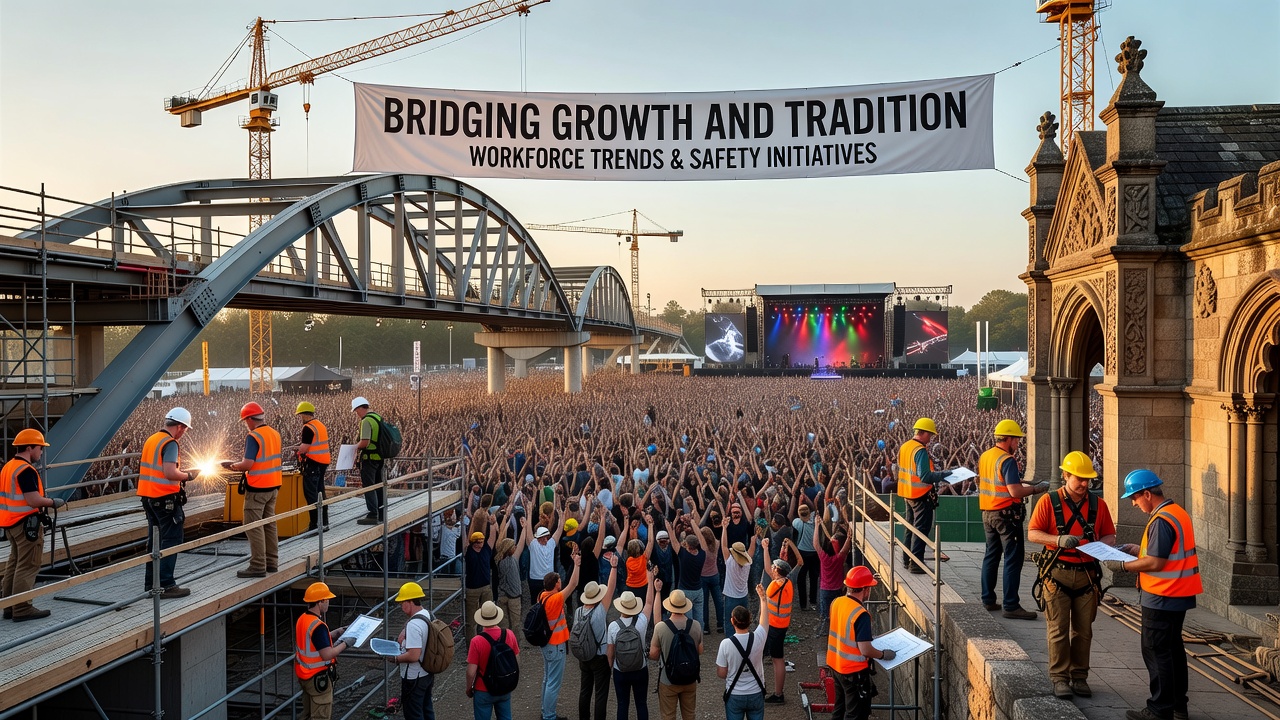
Data from multiple regions shows record attendance at cultural festivals throughout 2026, and observers note that these events coincide with expanded heritage conservation efforts that influence hiring patterns across construction, event management, and public safety sectors. Figures released in October 2026 indicate that European festivals alone drew over 12 million visitors during the summer season, while parallel heritage restoration projects in North America and Australia created thousands of specialized positions focused on preservation techniques and crowd management protocols.
Festival Attendance Surges and Their Direct Effects on Labor Markets
Attendance records climbed steadily from previous years, and government agencies tracking tourism statistics report that major events in cities such as Montreal and Melbourne required temporary workforce expansions of up to 35 percent compared with 2025 levels. Those numbers translate into short-term contracts for security personnel, logistics coordinators, and cultural interpreters who blend traditional knowledge with modern event operations. Research from the Australian Bureau of Statistics highlights how heritage sites hosting festivals saw sustained employment gains extending beyond the event dates, as maintenance crews transitioned into ongoing restoration roles that emphasize both structural integrity and visitor flow planning.
Workforce training programs adapted quickly to these demands, and industry groups documented a rise in certifications combining heritage masonry skills with occupational health standards. Participants learned to install temporary barriers that protect ancient structures while accommodating dense crowds, and data from the Canadian Centre for Occupational Health and Safety shows reduced incident rates at festivals that integrated such dual-purpose training modules.
Heritage Projects Drive Specialized Safety Protocols
Restoration initiatives at historic locations accelerated during the same period, and project managers coordinated with local authorities to implement layered safety measures that address both worker protection and public access. In several documented cases, teams used non-invasive monitoring equipment to assess crowd impact on fragile foundations, and findings from these assessments informed revised guidelines issued by the U.S. National Park Service for managing large gatherings at protected sites. The approach combines traditional craftsmanship with updated risk assessment frameworks that prioritize minimal disturbance to cultural assets.
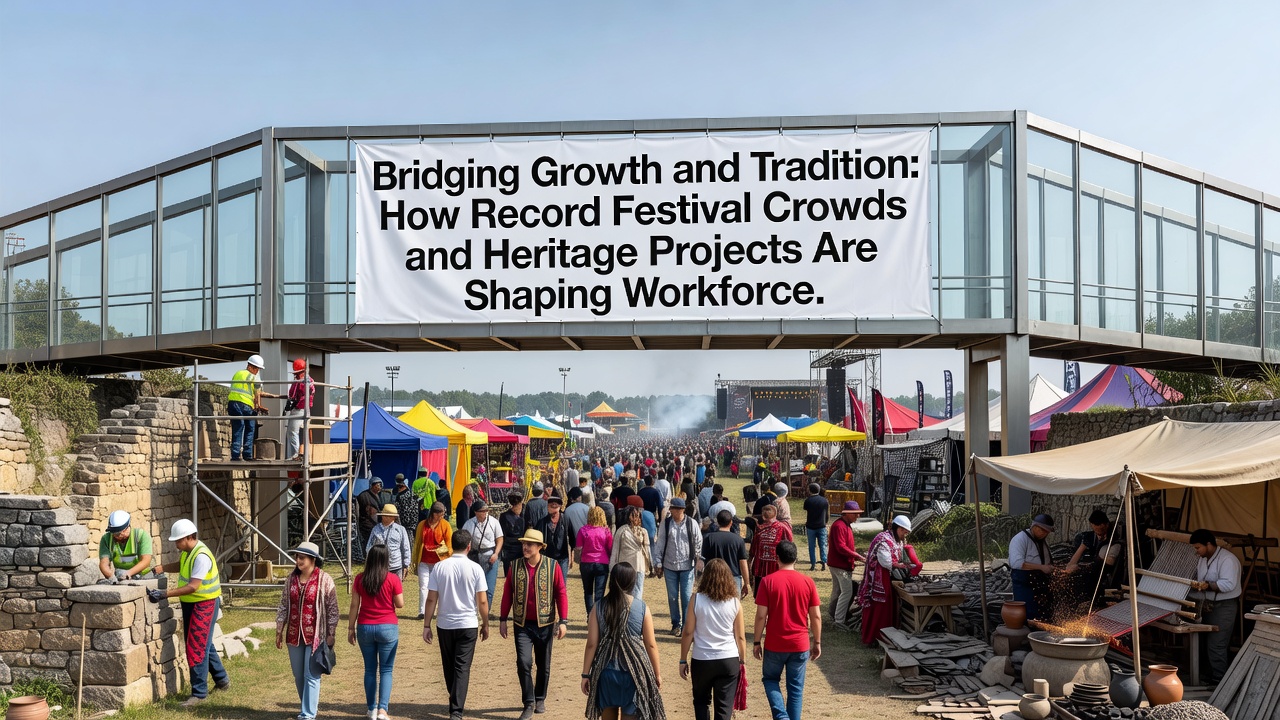
Employment data collected by the European Commission’s Directorate-General for Education, Youth, Sport and Culture reveals that heritage projects in 2026 generated roles requiring hybrid expertise in archaeology, engineering, and event safety coordination. Workers trained under these programs applied techniques such as modular scaffolding systems designed to shield stonework from vibration caused by nearby performances, and follow-up evaluations indicated measurable improvements in both preservation outcomes and worker retention rates across participating regions.
Intersecting Trends in Workforce Development
Patterns emerging from festival operations and heritage work reveal overlapping skill requirements that employers now address through joint training initiatives. One program in New Zealand paired traditional Maori carving workshops with modern crowd simulation software training, and enrollment figures climbed as participants recognized the dual applicability of these competencies in an expanding job market. Government labor reports from the same period note that regions balancing high festival turnout with active heritage conservation experienced lower unemployment in trades categories compared with areas lacking integrated projects.
Safety initiatives evolved in tandem, and regulatory updates from Australia’s Safe Work agency incorporated heritage-specific risk categories that festival organizers must now address during permitting processes. These rules emphasize pre-event structural assessments and real-time monitoring teams, and compliance data released in October 2026 showed high adoption rates among events held at or near protected sites. The resulting workforce includes dedicated safety liaisons who maintain communication between preservation experts and event operations staff throughout each gathering.
Conclusion
October 2026 records demonstrate that record festival attendance and concurrent heritage projects continue to reshape employment landscapes by creating positions that merge preservation knowledge with contemporary safety practices. Workforce statistics across participating regions reflect sustained demand for professionals equipped to manage both cultural continuity and large-scale public events, while updated protocols ensure that growth in visitor numbers aligns with the protection of historic resources.